The Smart City Higher Education Advancement Program in East Africa (SHAPE) has officially launched, bringing together universities and industry partners from Kenya, Uganda, Somalia, Estonia, Germany, and Lithuania in a three-year collaboration to strengthen higher education for the future of African cities.
Funded by the European Union through the Erasmus+ Capacity Building in Higher Education (CBHE) programme and coordinated by Moi University in Kenya, SHAPE responds to a well-documented gap: according to UN-Habitat, 93% of local governments in Africa report skills shortages as a major barrier to smart city development, and only 29% of African cities currently have a smart city strategy in place.
Over the next three years, SHAPE aims to close that gap by equipping East African universities to design their own curricula, research, and training pipelines — built around the realities of their own cities rather than imported frameworks.
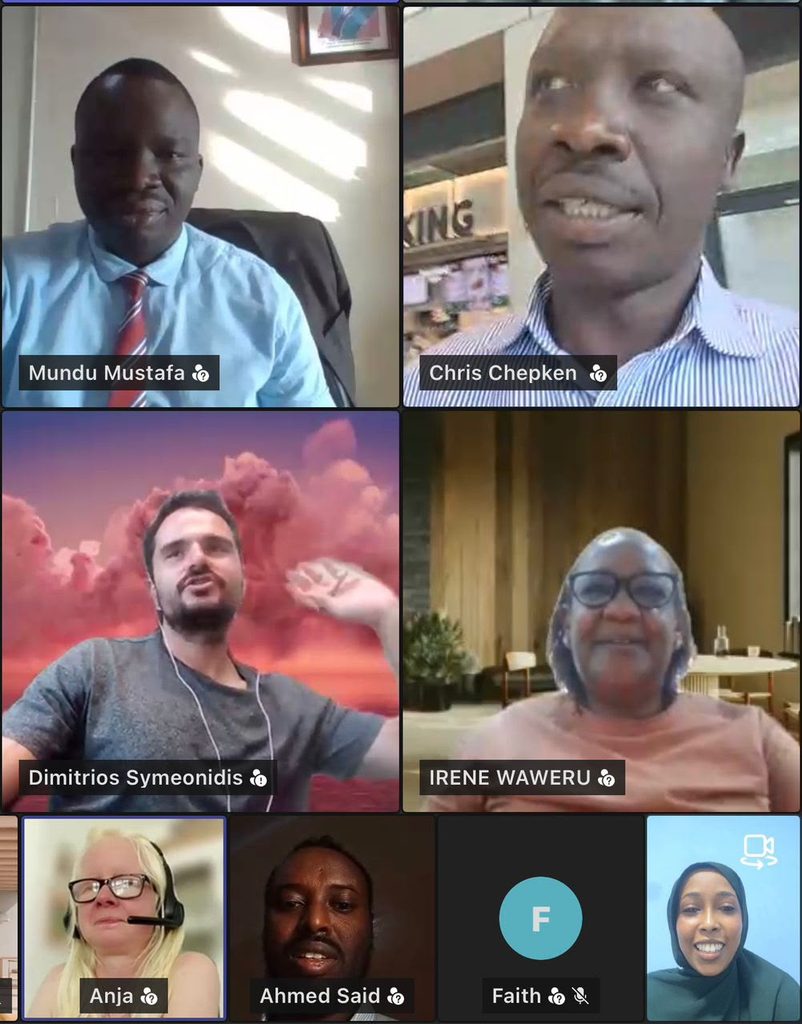
The official launch brought consortium partners together to establish a shared vision for the project and align on its implementation plan. Discussions centered on the role higher education institutions can play in developing the knowledge, skills, research, and innovation needed to support sustainable, inclusive, resilient, and technology-driven urban development across the region.
SHAPE unites institutions from across East Africa and Europe, each contributing distinct expertise.
Partner Universities
- Moi University (Kenya)
- Open University of Kenya (Kenya)
- Makerere University (Uganda)
- Kampala International University (Uganda)
- Mogadishu University (Somalia)
- Red Sea University (Somalia)
- Otto-von-Guericke-Universität Magdeburg (Germany)
- University of Tartu (Estonia)
- Lithuanian University of Health Sciences / LSMU (Lithuania)
Associated Partners
- Konza Technopolis Development Authority (Kenya)
- Université du Burundi (Burundi)
- Institute of Social Policy and Research (South Sudan)
These associated partners contribute to local case studies, inform curriculum design, and expand regional outreach beyond the primary consortium countries. Over its three-year run, SHAPE will strengthen academic cooperation between East Africa and Europe while transforming research into practical solutions for tomorrow’s urban centers.